
close
Choose Your Site
Global
Social Media
Views: 0 Author: Site Editor Publish Time: 2025-07-09 Origin: Site
What makes 3D embossing a game-changer for tissue paper? Simply put, it transforms plain tissue into premium products with eye-catching raised patterns, better softness, and stronger absorbency. These aren’t just cosmetic upgrades—they make tissues feel more luxurious while working better in everyday use.
But why does tissue paper need this treatment? Unlike regular paper, tissue has unique requirements like extra softness and quick liquid absorption. Here’s where base paper (the core material) plays a starring role: its quality directly controls how well 3D embossing works. Good base paper ensures the patterns stay crisp without tearing.
In this article, we’ll explore:
How 3D embossing actually works (hint: engraved rollers squeeze base paper to create 3D designs).
Why tissue products uniquely benefit from textures.
The surprising ways base paper strength affects everything from luxury napkins to sturdy paper towels.
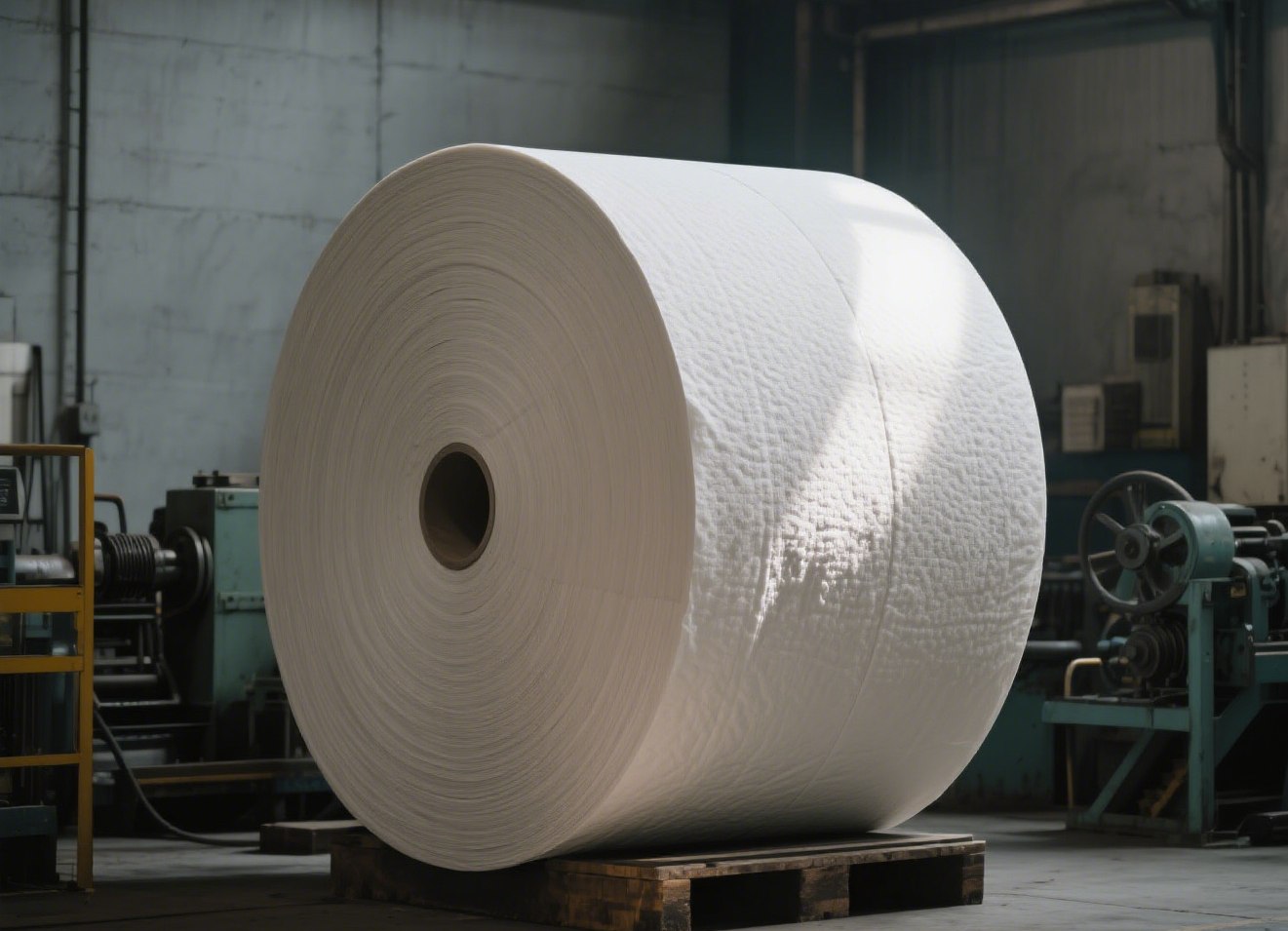
3D embossing turns plain tissue base paper into something special. Here’s how:
Shadow and light effects
Raised patterns act like tiny mirrors and valleys, catching light differently to create a shimmering look
Tactile magic
Deep patterns make the tissue feel thicker and softer than regular paper - like a plush pillow vs. a flat sheet
Stand-out patterns
Unique designs (like flowers or geometric shapes) help brands shine on crowded store shelves
Texture comparison
| Texture Type | Visual Effect | Hand Feel |
|---|---|---|
| Flat paper | Simple, plain | Thin and flat |
| 3D Embossed | Dynamic shadows | Plush and thick |
Embossing secretly upgrades the tissue base paper’s performance:
Liquid control channels
The raised/lowered areas create tiny pathways that:
Trap liquids like microscopic rivers
Increase absorption by 15-25%
Prevent spills from spreading too fast
Built-in reinforcement
Precise pressure during embossing:
Locks fibers in place (like knotting strings)
Strengthens weak points
Maintains softness without tears
Weight-to-bulk trick
Engineers love how embossing makes tissue feel heavier without adding actual paper material.
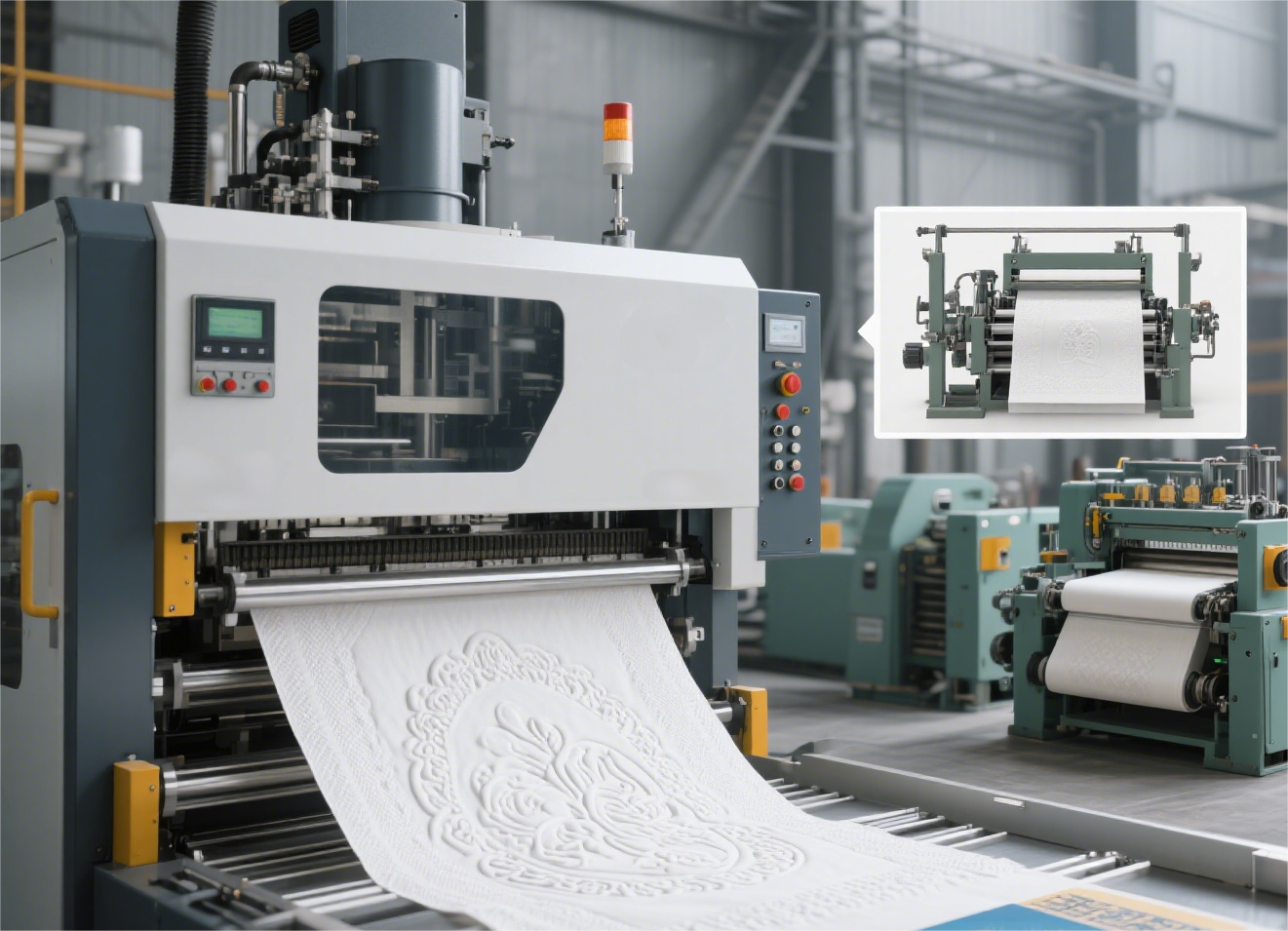
3D embossing helps manufacturers cut costs while keeping tissue paper high-quality. Here’s how:
Thinner paper, premium feel
By adding 3D patterns to base paper, manufacturers can use thinner paper (lower GSM) that feels thicker and softer. This reduces paper use by 15–30% without sacrificing luxury appeal.
Fewer steps, less energy
Modern embossing lines combine pattern-stamping and printing in one machine. This means:
50% faster production vs. separate processes
Lower electricity use (no reheating between steps)
Less manual handling
Waste reduction
Precision rollers minimize misprints, cutting material scrap by up to 20%.
| Traditional Process | Integrated 3D Embossing |
|---|---|
| Separate stamping/printing stations | Single automated line |
| High paper waste | Minimal misalignment errors |
| Energy-intensive reheating | UV curing in one pass |
3D embossing lets manufacturers switch designs or materials overnight:
Pattern swaps in <1 hour
Engraved rolls slide out like batteries. Swapping a floral pattern for geometric shapes takes minutes, not days. This helps brands launch holiday designs or viral trends faster.
Works with any base paper
The same embossing machine handles:
Recycled paper (eco-friendly lines)
Virgin fiber (ultra-premium tissues)
Blends (cost-effective options)
No need for new equipment when switching materials!
3D embossing isn’t just pretty—it’s precise. Here’s how it slashes waste:
Precision = Less scrap
Engraved rollers apply patterns with laser-like accuracy, reducing misprints and paper waste by up to 20%.
Smart material use
Embossing adds “puffy” volume to tissue without extra paper—letting brands use thinner eco-friendly base paper (like recycled pulp) that still feels thick.
Zero re-dos
Integrated printing-embossing lines avoid handling errors, saving energy and raw materials.
| Traditional Process | 3D Embossing Process |
|---|---|
| High misprint rates | <5% error rate |
| Separate printing/stamping | One-step production |
| 15–30% material scrap | 5–10% scrap |
Eco-friendly papers often look rough or dull—but 3D embossing fixes that:
Recycled pulp magic
Deep patterns hide recycled paper’s gray flecks and add shimmer, turning budget-friendly material into premium-looking tissues.
Bamboo/unbleached paper boost
Embossing enhances natural fibers’ texture:
Bamboo pulp: Patterns highlight its smooth, silky feel.
Unbleached paper: 3D designs distract from its “ecru” (off-white) color.
No dyes needed
Textures replace chemical whitening—making tissues safer for skin and rivers.
Durable embossing tools make sustainability affordable:
Rolls that never quit
Steel or polymer-coated embossing rollers survive 10M+ impressions without wear—cutting replacement costs by 40%.
One machine, all materials
Swap paper types without retooling:
ROI calculator
Savings = (Material cost × Waste reduction) + (Replacement cost × Roll lifespan)
Example: A factory producing 500 tons/month saves ~$18,000 monthly.
The secret? Embossing turns “green” paper from basic to beautiful—while saving trees and cash.
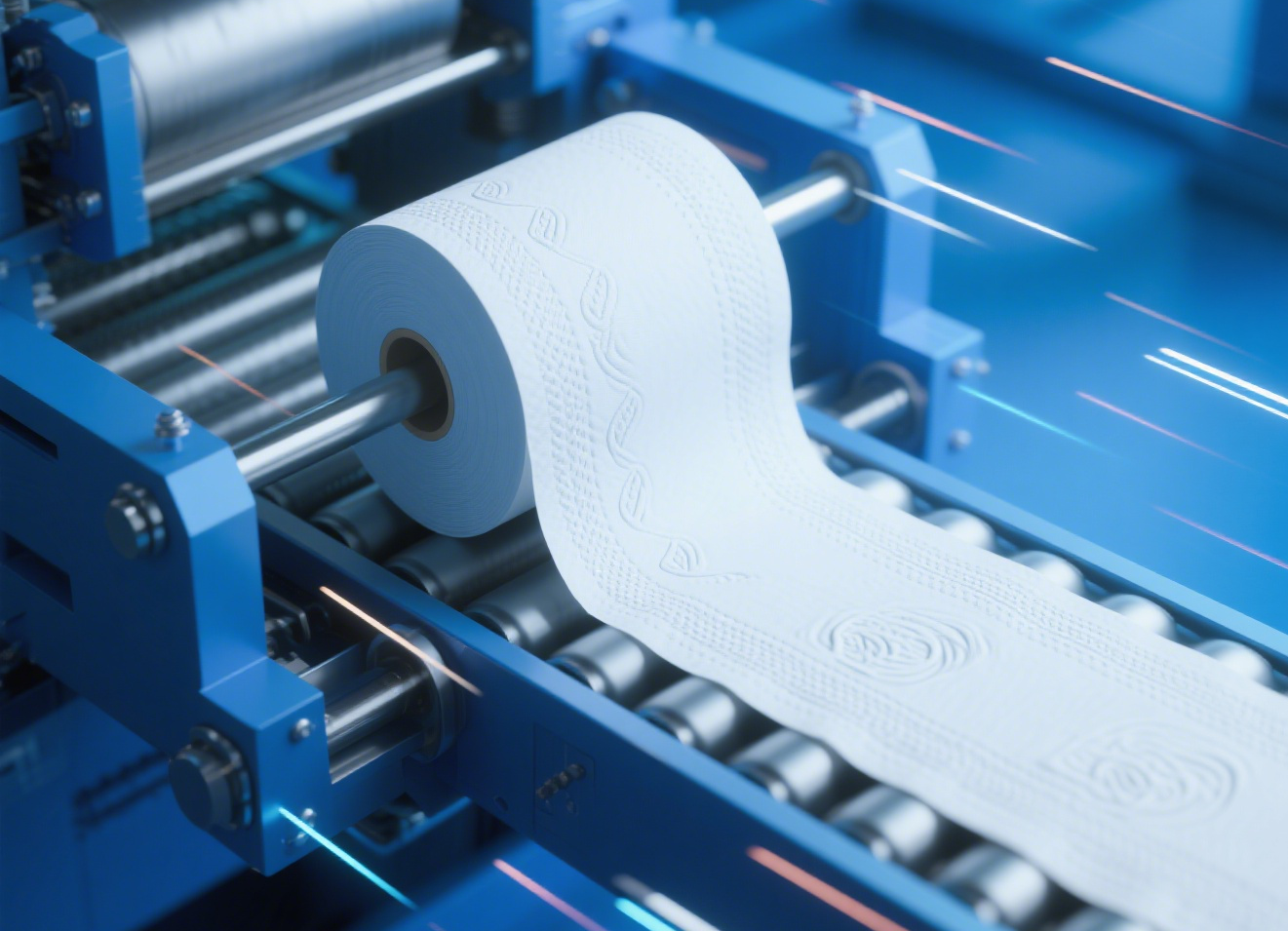
Today’s 3D embossing goes beyond simple patterns—here’s how:
Micro-embossing: Tiny Details, Big Impact
Ultra-fine patterns (as small as 0.1mm) create velvet-like textures:
Mimics silk or suede for premium tissues
Boosts perceived softness without extra chemicals
Works with lightweight base paper (↓15% material use)
Hybrid Techniques: Double the Wow Factor
Combining embossing with other treatments:
Foil stamping: Adds metallic shine to raised areas (e.g., gold rose patterns)
UV varnishing: Makes designs glossy and scratch-resistant
Example: Luxury tissues with shimmering brand logos that survive wet hands.
| Technology | Best For | Base Paper Impact |
|---|---|---|
| Micro-embossing | Facial tissues | Works with ultra-thin paper (18-22 GSM) |
| Hybrid Embossing | Gift wrapping tissues | Requires medium-weight paper (25+ GSM) for foil adhesion |
Base paper isn’t just “paper”—its fibers act like tiny springs during embossing!
Long fibers (e.g., softwood pine):
Stretch deeper without tearing → ideal for deep 3D patterns (e.g., floral sculptures)
Like rubber bands: absorb pressure from engraved rolls, creating pillow-like softness.
Short fibers (e.g., recycled pulp):
Pack tightly for sharp surface details (e.g., logos, geometric lines)
Think “pixel art”: perfect for micro-embossing (0.1mm designs).
Fiber Performance Comparison:
| Fiber Type | Best For | Max Emboss Depth | Tear Risk |
|---|---|---|---|
| Long (Softwood) | Bathroom tissue, luxury napkins | 0.5–1.2mm | Low ✅ |
| Short (Recycled) | Facial tissues, branded prints | 0.1–0.3mm | Medium ⚠️ |
Not all paper works for 3D embossing! These 3 traits are non-negotiable:
Uniform Thickness (Caliper):
Why? Uneven paper crushes under pressure → blurry patterns.
Fix: Laser-calibrated rollers compress paper to ±0.02mm tolerance.
High Wet-Tensile Strength:
Why? Embossing uses moisture-activated glue – weak paper dissolves!
Secret: Softwood fibers + latex binders = paper survives steam + pressure.
Moderate Porosity:
Why? Too porous = glue soaks in → patterns fade.
Goldilocks Zone: 45–60 sec/ml air flow (tested with porosity meters).
3D embossing revolutionizes premium tissue papers by transforming ordinary base paper into luxury products with shimmering textures and velvety tactility. It simultaneously enhances functionality—boosting liquid absorption and tear resistance—while enabling sustainability through 25% less material waste and premium aesthetics for recycled pulp. Brands achieve crisp, durable patterns and 20-30% material savings by partnering with suppliers who provide embossing-optimized base paper, prioritizing tailored fiber blends and embossability scores. This synergy of luxury, performance, and eco-efficiency redefines tissue innovation.


