
close
Choose Your Site
Global
Social Media
Views: 0 Author: Site Editor Publish Time: 2026-01-19 Origin: Site
Have you ever wondered how massive rolls of toilet paper are made? The process starts with a "toilet tissue parent roll." These large, unprocessed paper rolls are crucial in the production of toilet tissue, enabling manufacturers to create smaller, consumer-ready rolls efficiently.
In this article, we’ll explore what a toilet tissue parent roll is, its role in the paper industry, and why understanding it is vital for businesses. You’ll learn about its manufacturing process and its importance in creating high-quality, eco-friendly products.
A toilet tissue parent roll is a large, continuous roll of paper that serves as the base material for producing smaller toilet paper rolls. These parent rolls are typically produced from high-quality raw materials like virgin wood pulp or recycled fibers, which give the paper desirable characteristics such as softness, durability, and absorbency. The rolls are manufactured in large quantities, with each roll weighing hundreds of pounds and spanning several feet in length and width. Once the parent rolls are produced, they undergo further processing, including cutting, perforating, and rolling into smaller consumer-size toilet paper products.
The primary function of a parent roll is to serve as a mass-production tool in the paper industry. It enables manufacturers to efficiently create thousands of smaller toilet paper rolls from a single, larger roll of raw material. The scale of parent rolls allows businesses to maintain steady production and meet consumer demand for toilet paper.
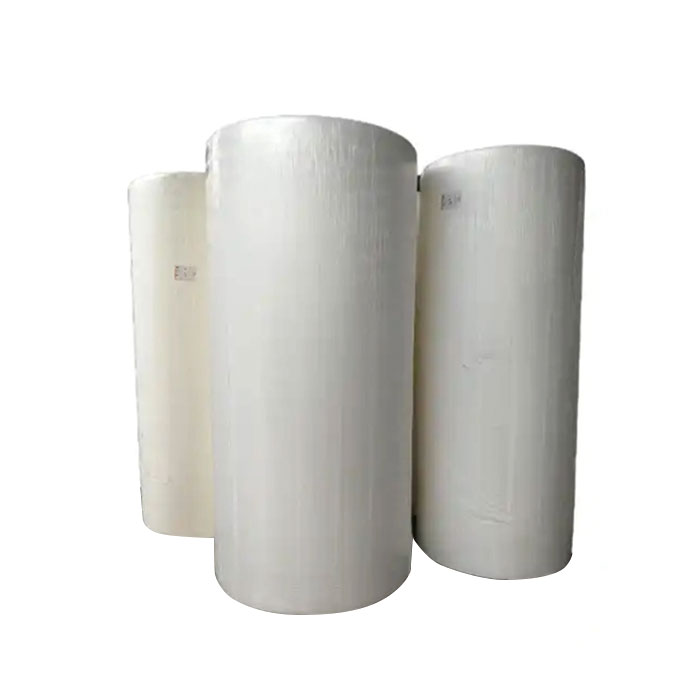
The key difference between a parent roll and a final toilet paper roll is their size and use. Parent rolls are large, continuous rolls of paper, often weighing between 500 to 1,000 pounds, while the final toilet paper roll is a much smaller, perforated roll that consumers use at home. The process of converting a parent roll into the final product involves several stages, including cutting the large parent roll into smaller sections, perforating it to create the sheets, and rewinding the paper into smaller rolls.
Although both the parent roll and the consumer-facing toilet roll are made from the same material, their sizes and purposes are vastly different. The parent roll is the unprocessed raw material used for mass production, while the final toilet paper roll is the finished product ready for retail and consumer use.
The term “parent roll” is used to describe the large, unprocessed roll of paper that serves as the foundation for producing smaller rolls of toilet tissue. Just like a parent provides the foundation for a child, the parent roll provides the base for creating many smaller, individual toilet paper rolls. This term emphasizes the essential role the parent roll plays in the production process, making it a fundamental element in the paper manufacturing industry.
The parent roll acts as the progenitor for all the smaller rolls that eventually make their way into consumers' bathrooms and kitchens. It provides both the scale and consistency required to produce high-quality toilet tissue efficiently.
The process of converting a parent roll into a finished toilet paper product involves several key steps:
1. Cutting: The large parent roll is first cut into smaller, manageable sections that are ready for further processing.
2. Perforating: These sections are then perforated, creating the individual sheets of toilet paper that can be easily torn by consumers.
3. Rewinding: The perforated sections are rewound into smaller, compact rolls that are suitable for household use. These rolls are then packaged and prepared for distribution.
This process ensures that manufacturers can efficiently convert bulk paper into the convenient, ready-to-use toilet paper products that consumers purchase. The overall goal is to maximize efficiency, reduce waste, and maintain high-quality standards across all produced rolls.
Toilet tissue parent rolls are typically large and heavy, weighing between 500 to 1,000 pounds. They can vary in size depending on the manufacturer, but typical parent rolls are several feet wide and can span several feet in length. These large dimensions allow manufacturers to create a high volume of toilet paper from a single parent roll, reducing the need for frequent raw material replenishment.
The weight and size of the parent roll are critical for maintaining efficient manufacturing operations. Larger rolls allow manufacturers to create more smaller toilet paper rolls at once, thus improving efficiency and reducing downtime during production.
The production of toilet tissue parent rolls begins in paper mills, where raw materials such as virgin wood pulp or recycled fibers are processed into large sheets of paper. These sheets are then wound into large, continuous rolls that serve as the foundation for future toilet paper products. The paper is carefully processed to meet specific quality standards, including tensile strength, absorbency, and softness.
At companies like Huaxinglobal, raw materials are sourced from sustainable forests, ensuring that the pulp is of the highest quality. Additionally, Huaxinglobal offers customized pulp rolls, including jumbo rolls, which are designed for industrial and commercial applications. These jumbo rolls are particularly useful for businesses looking to create high-quality, durable paper products in large quantities.
The quality of the materials used in parent rolls plays a significant role in the final product's performance. Virgin wood pulp is typically chosen for high-end products due to its strength, absorbency, and softness. For companies that prioritize eco-friendly production, recycled paper fibers are used in parent rolls to reduce waste and minimize environmental impact.
The use of virgin pulp ensures that the paper is soft, absorbent, and strong, making it ideal for facial tissues, kitchen towels, and industrial wipes. Recycled pulp, on the other hand, offers a sustainable solution for businesses looking to meet eco-conscious market demands while still providing high-quality products.
Quality control is essential in ensuring that the parent rolls meet industry standards for softness, durability, and absorbency. Manufacturers like Huaxinglobal conduct several tests during production to verify the quality of the parent rolls:
● Tensile strength: Ensures the paper can withstand the cutting and converting process without tearing or breaking.
● Absorbency: Measures how well the paper retains liquid, which is crucial for products like industrial wipes and kitchen towels.
● Microbial safety: Verifies that the paper is free of harmful pathogens, ensuring it is safe for consumer use.
Each batch of parent rolls undergoes rigorous testing to ensure consistency and quality, helping businesses maintain high standards in their final toilet paper products.
Toilet tissue parent rolls are critical for improving manufacturing efficiency. Instead of creating individual toilet paper rolls from scratch, parent rolls enable manufacturers to produce hundreds or thousands of smaller rolls from a single, large roll of raw material. This process reduces downtime and maximizes productivity, making it more cost-effective for businesses to produce high volumes of toilet paper.
By using parent rolls, manufacturers can keep production lines running smoothly, ensuring that orders are fulfilled on time and that resources are utilized efficiently.
Purchasing parent rolls in bulk is a cost-effective solution for businesses in the paper manufacturing industry. Instead of buying individual toilet paper rolls, manufacturers can purchase large, bulk parent rolls, which are more economical due to their scale. The conversion process also reduces labor costs, as it requires fewer workers to process large rolls compared to individually creating smaller rolls.
Huaxinglobal offers customizable jumbo rolls, which are designed for industrial and wholesale use. These rolls are available in 30"–60" widths, and their larger size helps companies reduce shipping costs and improve production efficiency.
Sustainability is increasingly becoming a key consideration in the paper industry. By using eco-certified raw materials, such as FSC-certified wood pulp and recycled fibers, manufacturers can minimize their environmental impact and meet consumer demand for greener products. Sustainable sourcing practices also contribute to responsible forest management and reduce the industry’s reliance on non-renewable resources.
The primary difference between single-ply and two-ply parent rolls is the thickness of the paper. Single-ply parent rolls are made from a single layer of paper, making them more cost-effective but slightly less durable than their two-ply counterparts. Two-ply parent rolls, on the other hand, are made from two layers of paper, making them thicker, softer, and more durable. Two-ply rolls are ideal for creating premium toilet paper products, while single-ply rolls are often used for budget-friendly options.
Recycled toilet tissue parent rolls are made from paper that has been previously used and processed into new products. These parent rolls offer a more sustainable option for businesses looking to reduce their environmental footprint. Recycled paper is often used in products like industrial wipes and budget toilet paper, providing a cost-effective solution for businesses and consumers who prioritize sustainability.
Toilet tissue parent rolls are primarily used in large-scale manufacturing facilities that produce high volumes of toilet paper. These rolls are essential for businesses that need to create large quantities of toilet paper, facial tissues, napkins, and industrial wipes. Huaxinglobal’s bulk industrial pulp rolls are designed for companies looking to meet high-volume production needs while maintaining quality standards.
Wholesale and bulk distribution is another major application of toilet tissue parent rolls. Wholesale distributors purchase parent rolls in bulk, then convert them into smaller, consumer-sized rolls. This method helps businesses save on raw material costs and improve operational efficiency.
When selecting toilet tissue parent rolls for production, businesses must take several factors into account to ensure they are making the best choice. First, quality standards are crucial. The parent roll should meet the desired specifications for strength, softness, and absorbency. High-quality paper ensures that the final toilet paper product is durable, comfortable, and effective at absorbing liquids, which is essential for customer satisfaction.
Another important consideration is sustainability. With growing consumer demand for eco-friendly products, it is essential to choose parent rolls made from environmentally responsible materials. Look for suppliers offering FSC-certified wood pulp or recycled fibers. These materials are sustainably sourced, helping your business reduce its environmental footprint while still producing high-quality products.
Lastly, cost plays a significant role in decision-making. Businesses should carefully compare prices from different suppliers to ensure they get the best value. Additionally, bulk purchasing options can help optimize costs. Buying parent rolls in larger quantities can reduce unit prices and improve overall cost efficiency, especially for businesses with high production demands.
Before committing to a supplier, businesses should ask several key questions to ensure they are getting the right materials for their needs. First, inquire about material sourcing. Ask whether the pulp used in the parent rolls is sustainably sourced, such as from FSC-certified forests. This information is essential for companies that prioritize environmentally responsible practices.
Additionally, it’s important to discuss customization options with suppliers. Can they meet your specific requirements for paper thickness, ply count, and embossing? These factors can significantly affect the quality and performance of the final toilet paper product. Customization allows businesses to cater to specific market demands, whether it's for luxury toilet paper or cost-effective solutions.
Finally, logistics is another critical area to explore. How does the supplier handle shipping and bulk orders? Understanding delivery times, packaging, and shipping costs is essential to maintaining a smooth production process. Ensure the supplier can accommodate your needs for timely deliveries, especially for businesses that rely on just-in-time inventory systems to keep production lines running without interruption.
Understanding toilet tissue parent rolls is essential for businesses in the paper manufacturing industry. These large rolls serve as the foundation for creating smaller, consumer-ready toilet paper rolls, offering numerous benefits, including increased manufacturing efficiency, cost savings, and environmental sustainability.
By choosing premium raw materials, such as FSC-certified wood pulp, and understanding the production process for toilet tissue parent rolls, businesses can improve the quality, efficiency, and sustainability of their paper products. Companies like Huaxinglobal offer customizable pulp rolls that cater to specific industry needs, providing a solution for businesses looking to enhance their product offerings and operational efficiency.
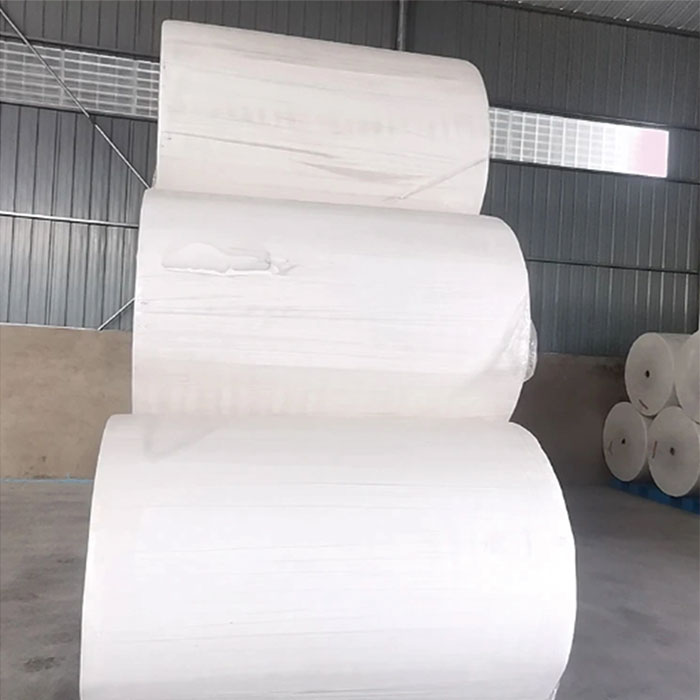
A: A toilet tissue parent roll is a large, unprocessed roll of paper used as the base material to create smaller, consumer-facing toilet paper rolls.
A: The parent roll is cut, perforated, and rewound into smaller toilet paper rolls, which are then packaged for retail.
A: Toilet tissue parent rolls streamline the manufacturing process by allowing businesses to produce large quantities of toilet paper efficiently, saving time and costs.
A: Toilet tissue parent rolls are typically made from virgin wood pulp or recycled paper, with some manufacturers using FSC-certified pulp for eco-friendly production.
A: Yes, toilet tissue parent rolls can be customized for specific paper thickness, ply count, and embossing based on manufacturing needs.
A: Yes, many toilet tissue parent rolls are made with sustainable materials, such as FSC-certified wood pulp or recycled fibers, making them an eco-friendly choice for manufacturers.


