

close
Choose Your Site
Global
Social Media
Views: 0 Author: Site Editor Publish Time: 2026-01-19 Origin: Site
Ever wondered how jumbo rolls of paper become the soft toilet paper in your bathroom? The process behind Toilet Paper Roll Converting is more fascinating than you might think.
In this article, we dive into the secrets of the Toilet Paper Roll Converting process. Discover how raw materials, advanced machines, and cutting-edge innovations come together to create the toilet paper we rely on every day.
The process of Toilet Paper Roll Converting refers to the series of steps that take large, unwieldy jumbo rolls of paper and transform them into the familiar toilet paper rolls used by consumers. The jumbo rolls, which are typically produced in paper mills, are converted into smaller rolls through unwinding, perforating, slitting, rewinding, and packaging. Each stage requires careful precision to ensure that the final product is durable, absorbent, and soft.
This process is complex, and it requires highly specialized machinery to ensure quality control at every step. The machinery used in converting also has to be able to handle the raw materials efficiently, like the premium wood pulp from Huaxinglobal, which ensures strength and absorbency. The final product must meet several industry standards, ensuring it is fit for use in households and commercial applications.
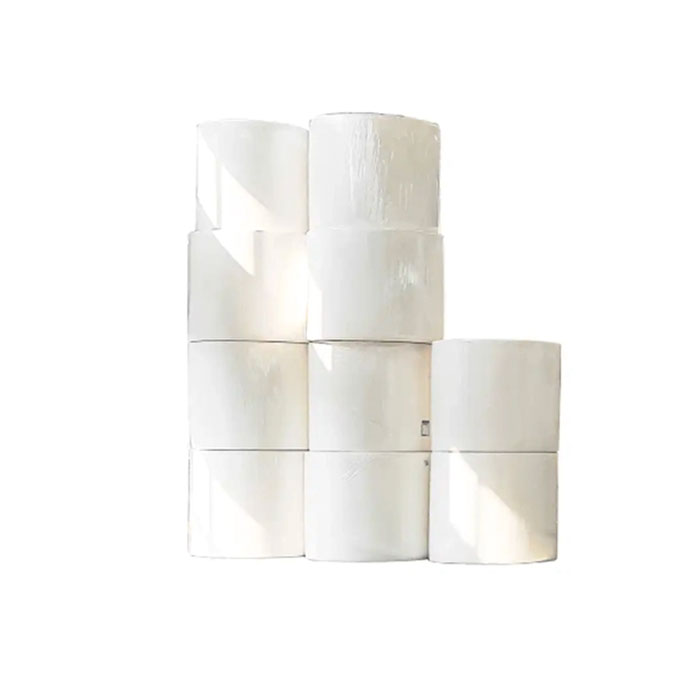
The Toilet Paper Roll Converting process is vital because it directly impacts the quality of the final product. Whether the toilet paper is for home use, industrial cleaning, or hospitality services, the converting process ensures the final product has the right balance of softness, absorbency, and tear strength. Any flaws in the process—such as incorrect perforations, uneven roll sizes, or weak fibers—can lead to significant issues for both manufacturers and consumers.
Since toilet paper is one of the most used items globally, its quality directly affects customer satisfaction and brand loyalty. This makes the converting process not just a manufacturing procedure but a vital part of the consumer experience.
The machinery used in Toilet Paper Roll Converting is specialized to ensure the highest standards of quality. Some of the key equipment includes:
● Jumbo Roll Unwinders: These machines are responsible for unwinding the large paper rolls from the paper mills and preparing them for further processing. They must ensure that the paper is unwound smoothly and without damage.
● Slitting Machines: These machines are used to cut the paper into specific widths, ensuring that each roll is the correct size.
● Perforation Machines: Perforation is essential for ensuring that toilet paper can be torn off easily. These machines create precise perforations at regular intervals.
● Rewinders: Rewinders wind the perforated paper onto cores, ensuring that the paper is neatly rolled and ready for the packaging process.
The first step in the converting process is unwinding the jumbo roll. These rolls are usually produced at paper mills and can be as wide as 100 inches and as long as 100 kilometers. Due to their size and weight, unwinding these rolls requires precision machinery designed to handle large rolls of paper.
The premium wood pulp used in these jumbo rolls plays a significant role in how smoothly the paper unwinds. High-quality wood pulp, such as the FSC-certified pulp from Huaxinglobal, ensures that the paper unwinds evenly without tearing or warping. This is essential because any defects during the unwinding process can carry over to the subsequent steps, leading to flaws in the finished product.
Once the jumbo roll is unwound, the paper moves on to the perforation and slitting stages. Perforating is essential for ensuring that consumers can easily tear off individual sheets. This process involves making precise cuts along the paper using perforation blades that create evenly spaced holes in the paper. The perforations must be clean and consistent, as any irregularities can affect the user experience.
The slitting process follows, where the paper is cut into the desired width for toilet paper rolls. Slitting machines use high-speed knives to make precise cuts, ensuring each roll has a uniform size. Premium wood pulp plays a key role in ensuring that the paper remains intact during both perforating and slitting. Its long, refined fibers ensure that the paper remains strong and tear-resistant.
After perforating and slitting, the paper is rewound onto cardboard cores, which are inserted into the rolls. These cores are essential for maintaining the roll’s structure and making it easy for consumers to unroll the paper. The process of rewinding is carefully controlled to prevent any wrinkles or misalignments in the paper. The premium wood pulp ensures that the toilet paper retains its structure and strength during this stage.
The final steps in the converting process are cutting and packaging. The rolls are cut to the appropriate length for retail sale, and then packaging machines ensure that each roll is sealed and ready for distribution. Packaging is essential for protecting the product from contamination during transportation and storage.
The packaging machines must work with great efficiency to handle the high volume of toilet paper rolls being produced. Premium wood pulp ensures that the finished product remains strong and soft, even after being cut and packaged.
The Core Machine is responsible for inserting the cardboard cores into the paper rolls. Without the core, the toilet paper would have no form and could not be easily stored or used. The Rewinder ensures that the paper is smoothly wound around the core. The quality of the raw materials, such as premium wood pulp, is crucial for ensuring that the paper retains its form and is free from wrinkles or tears during this stage.
Slitter Machines are used to cut the paper into the correct widths for toilet paper rolls. These machines are designed for high-speed operation and must make precise cuts to ensure that the rolls are uniform in size. Premium wood pulp ensures that the paper remains strong and intact during the slitting process, preventing any tears or flaws in the finished product.
Perforation Machines are responsible for creating the holes that allow for easy tearing. These machines must be calibrated precisely to ensure that the perforations are evenly spaced and clean. The long, refined fibers in premium wood pulp allow these machines to perform the perforation process smoothly and without defects.
Once the rolls are finished, Packaging Machines ensure that the product is securely sealed and ready for shipment. The packaging process is essential for maintaining the product’s hygiene and protecting it from contamination. The quality of the raw materials used ensures that the paper remains intact and undamaged during packaging.
The quality of the raw material is the most significant factor in determining the quality of the final product. Premium wood pulp, such as that provided by Huaxinglobal, is sourced from FSC-certified wood fibers, ensuring that the paper has the necessary strength and absorbency. The longer fibers in wood pulp contribute to the paper’s durability, while the controlled softness makes it suitable for delicate uses, like facial tissues.
The accuracy of the slitting and perforating processes is crucial for ensuring that the final product is uniform in size and quality. Even minor deviations in these processes can lead to defects in the toilet paper. Premium wood pulp helps maintain the integrity of the paper during these stages, ensuring that the final product is consistent and easy to use.
Packaging is the final step in ensuring that the toilet paper remains in perfect condition until it reaches consumers. Packaging machines must ensure that the rolls are hygienically sealed and protected from contamination. The eco-certified sourcing of the raw materials used guarantees that the packaging is both environmentally friendly and protective.
The rise of automation has significantly improved the efficiency and quality of toilet paper roll converting. Automated machines are able to perform tasks with greater speed and precision than human operators, reducing errors and increasing production efficiency. With automated systems, manufacturers can maintain consistent quality while reducing labor costs and production time.
As sustainability becomes a more significant factor in manufacturing, the toilet paper industry is moving toward greener production methods. Huaxinglobal sources FSC-certified wood pulp, which ensures that the raw materials are sustainably sourced. Additionally, eco-friendly practices such as water recycling and energy-efficient machinery are being adopted by manufacturers to reduce their carbon footprint.
Recent innovations in perforation technology have enhanced the tearability and overall user experience of toilet paper. New perforation techniques create cleaner, more consistent perforations, making it easier for consumers to tear sheets without frustration. This technology, combined with premium raw materials, ensures that the toilet paper is both functional and user-friendly.
One of the greatest challenges in toilet paper roll converting is maintaining consistency. Even slight deviations in slitting, perforating, or rewinding can result in defects that affect the final product. Using premium wood pulp helps ensure that the paper remains strong and consistent throughout the process, minimizing errors.
Minimizing waste is crucial for reducing costs and environmental impact. Manufacturers are constantly looking for ways to optimize the use of raw materials to reduce excess paper. Optimized jumbo roll dimensions and precise slitting machines help reduce waste, ensuring that the process is as efficient as possible.
Machine downtime can disrupt production and affect the quality of the final product. Regular maintenance and advanced monitoring technologies can help reduce downtime and keep the converting process running smoothly.
The Toilet Paper Roll Converting process is crucial for producing high-quality toilet paper that meets the demands of consumers. From unwinding the jumbo rolls to packaging the finished product, each step in the process must be carefully controlled to ensure the final product is durable, absorbent, and soft. The use of premium wood pulp, such as FSC-certified pulp from Huaxinglobal, is essential for achieving the high standards required in the toilet paper industry.
As the industry continues to innovate with automation, sustainable practices, and advanced technologies, the future of toilet paper roll converting looks promising. Manufacturers who prioritize quality, precision, and environmental responsibility will lead the way in this ever-evolving market.
A: Toilet Paper Roll Converting is the process of transforming large jumbo rolls of paper into smaller, user-friendly toilet paper rolls. This involves unwinding, perforating, slitting, rewinding onto cores, and finally packaging the rolls for retail distribution.
A: The Toilet Paper Roll Converting process involves several steps, including unwinding jumbo rolls, slitting the paper to the required size, perforating it for easy tearing, rewinding it onto cores, and packaging the finished rolls for consumer use.
A: Toilet Paper Roll Converting ensures that toilet paper is of consistent size, strength, and quality. The process guarantees that the final product is easy to use, absorbent, and soft, meeting the standards for both consumer satisfaction and hygiene.
A: Essential equipment for Toilet Paper Roll Converting includes jumbo roll unwinders, slitting machines, perforation machines, rewinders, and packaging machines. Each machine plays a vital role in maintaining product quality during the conversion process.
A: Toilet Paper Roll Converting ensures high-quality, consistent products. It allows manufacturers to customize toilet paper rolls for various purposes, like household use, industrial cleaning, or hospitality. Additionally, it supports efficient mass production and minimizes waste.


