
close
Choose Your Site
Global
Social Media
Views: 0 Author: Site Editor Publish Time: 2026-01-20 Origin: Site
Tissue paper is essential in daily life, from homes to businesses. Have you ever wondered how it all starts? It begins with the creation of Tissue Paper Mother Rolls, the foundation for products like toilet paper, napkins, and paper towels.
In this article, we’ll dive into the process behind Tissue Paper Mother Roll production. You'll learn about the equipment, production stages, and ways to improve efficiency through automation and modern technology.
A tissue paper mother roll is a large, uncut roll of tissue paper that serves as the raw material for converting into smaller, consumer-ready products such as napkins, facial tissues, and paper towels. These rolls are produced using large paper machines that form sheets of tissue paper from wood pulp or recycled fibers. The mother roll is an integral component of tissue paper production, acting as the starting point for creating various end products. Once the tissue paper has been produced, it is often rewound into a mother roll, which can be slitted into smaller rolls suitable for use in consumer products.
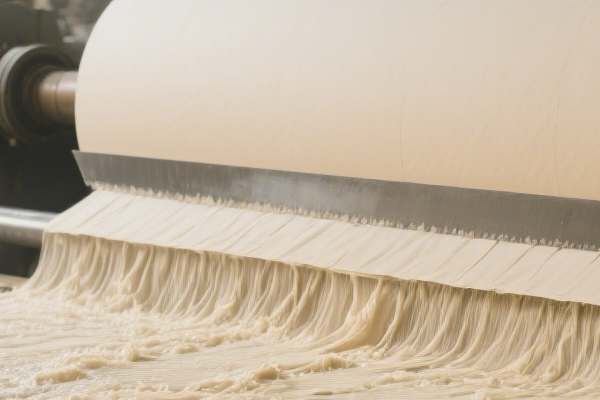
Tissue paper mother rolls consist of several key components that contribute to their quality and usability. These components include the raw material, size, structure, and type of pulp used during the production process. To achieve high-quality products, these components must be carefully selected and optimized to meet the specific needs of the end user.
The primary raw material for making tissue paper is wood pulp, which can be virgin or recycled. Virgin pulp is derived from newly harvested wood, while recycled fibers come from post-consumer waste paper. Recycled fibers are commonly used for products like napkins and paper towels, while virgin pulp is preferred for facial tissues and high-quality toilet paper. The choice of raw material influences the softness, absorbency, and strength of the tissue paper, and it is essential to select the right type of pulp based on the end product’s intended use.
The size of the mother roll plays a significant role in determining the versatility and usability of the tissue paper. The mother roll typically ranges from 1.2 meters to 3 meters in width, and its diameter can reach up to 20 meters. The width is crucial as it affects how the roll is slitted and the types of products it can be converted into. A larger roll allows for more efficient production, while smaller rolls are often easier to handle and process.
The structure of the mother roll determines the strength, texture, and quality of the finished tissue products. Proper pressing and drying during the production process help achieve the necessary thickness and softness, which are essential for products such as toilet paper and facial tissues. Additionally, the use of advanced production equipment, such as high-speed papermaking machines, ensures that the structure of the tissue paper meets the required specifications for each product.
Tissue paper rolls are produced in various grades to meet different needs. The type of raw material and the manufacturing process determines the grade, and the quality of the finished product is heavily influenced by these factors. Common types of tissue paper rolls include:
● Toilet Paper: Typically soft and absorbent, made from high-quality virgin pulp.
● Napkins: Made from either virgin pulp or recycled fibers, depending on the intended use.
● Facial Tissues: Soft and smooth, often made with high-quality virgin pulp for comfort and skin-friendly properties.
● Kitchen Towels: Stronger and more absorbent, usually made from recycled fibers or a mix of virgin and recycled materials.
Understanding the different grades and types of tissue paper helps manufacturers select the appropriate raw materials and equipment for producing tissue paper mother rolls suited for specific products.
The paper machine is the heart of any tissue paper production line. It transforms raw pulp, whether virgin wood pulp or recycled fibers, into large sheets of tissue paper. The paper machine consists of three key sections: the forming section, the press section, and the drying section. Each section plays a critical role in ensuring that the tissue paper is thin, strong, and absorbent.
● Forming Section: The raw pulp is mixed with water to create a slurry, which is then spread onto a moving mesh. This forms a continuous sheet of paper, where the pulp fibers begin to bond together.
● Press Section: In this stage, the wet paper is passed through a series of rollers to remove excess water. The amount of pressure applied during this process determines the thickness and strength of the paper.
● Drying Section: Finally, the paper passes through a set of heated cylinders to remove any remaining moisture. This ensures the tissue paper reaches the desired moisture content for optimal texture and strength.
Once the tissue paper is produced, it is wound into large rolls, called mother rolls. These rolls are then cut into smaller, standardized rolls using a rewinder and slitter. A rewinder is used to re-roll the tissue paper to the desired size and tension, ensuring uniformity. A slitter then cuts the mother roll into smaller rolls, which can be further processed into products like toilet paper, napkins, or paper towels.
Product Type | Roll Width (Meters) | Roll Diameter (Meters) | Paper Quality |
Toilet Paper | 1.2 - 2.5 | 1.5 - 2.0 | Soft, Virgin |
Napkins | 1.2 - 3.0 | 1.5 - 2.0 | Recycled/Virgin |
Facial Tissues | 1.5 - 3.0 | 1.5 - 2.0 | Soft, Virgin |
Kitchen Towels | 1.2 - 3.0 | 1.5 - 2.0 | Strong, Mixed |
The drying and pressing mechanisms in tissue paper production play a critical role in shaping the texture and strength of the tissue. After the pulp has been formed into paper sheets, it passes through a series of presses that apply pressure to remove excess water and compact the fibers. Following this, the tissue is passed through a set of heated drying cylinders, which help to remove any remaining moisture, leaving the tissue soft and absorbent. Moisture control is key to ensuring the tissue has the desired properties for its end use.
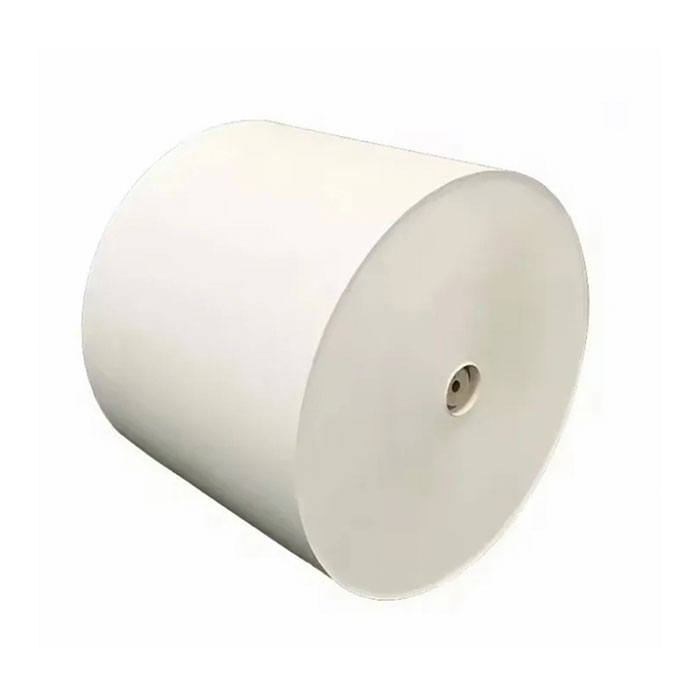
Automation has revolutionized the tissue paper production industry. By incorporating automated systems, manufacturers can increase efficiency, reduce labor costs, and maintain consistent product quality. Automation helps streamline processes such as raw material handling, paper forming, and roll slitting. It also enables real-time monitoring, ensuring that any potential issues are identified and addressed immediately, leading to less downtime and more efficient production.
The tissue paper production industry has embraced advanced technologies like digital control systems, energy-saving features, and robotics. These technologies enhance the precision and efficiency of the production process. For example, digital systems can monitor moisture levels, temperature, and pressure to ensure the production of high-quality tissue paper. Robotics are increasingly used for tasks like material handling and packaging, further improving efficiency.
While the initial investment in modern tissue paper production equipment can be significant, the long-term savings and increased production capacity make it a worthwhile investment. By reducing waste, improving energy efficiency, and increasing automation, companies can improve their ROI. For businesses looking to scale, modern equipment allows for greater flexibility and faster production times, contributing to overall cost reductions.
Tissue paper mother roll production lines are the backbone of the tissue paper manufacturing process. Understanding the equipment, processes, and considerations involved can help businesses optimize production, improve product quality, and reduce costs. By investing in modern equipment, automating key processes, and focusing on energy efficiency, manufacturers can meet the growing demand for high-quality tissue products while maintaining a sustainable production line. At Huaxin Global, we offer state-of-the-art solutions for tissue paper production, ensuring superior quality and efficiency. Contact us today for expert consultation and to place your order!
A: A Tissue Paper Mother Roll is a large, uncut roll of tissue paper that serves as the raw material for converting into smaller, consumer-ready products such as napkins, facial tissues, and paper towels. It is the starting point for tissue paper production and can be further processed into various tissue products.
A: The primary raw materials used in Tissue Paper Mother Roll production include wood pulp, which can be virgin or recycled. For products like napkins and paper towels, recycled fibers such as Napkin Paper Raw Materials and Kitchen Towel Paper Raw Materials are commonly used, while high-quality virgin pulp is used for facial tissues.
A: The Tissue Paper Mother Roll is crucial because it is the foundation of all tissue paper products. It is the starting point for producing a wide range of products such as toilet paper, napkins, facial tissues, and paper towels, ensuring consistency and quality in the final products.
A: Using recycled fibers, such as those from Facial Tissue Raw Materials or Kitchen Towel Paper Raw Materials, can reduce environmental impact and lower production costs. It also helps in promoting sustainability while maintaining acceptable quality for many tissue products.


