
close
Choose Your Site
Global
Social Media
Views: 0 Author: Site Editor Publish Time: 2025-11-10 Origin: Site
Have you ever wondered why facial tissue and toilet tissue are different? Understanding these differences is crucial for making informed choices.
In this article, we’ll explore the distinctions between parent rolls used for facial tissue and toilet tissue. You’ll learn about their raw materials, production processes, and performance characteristics.
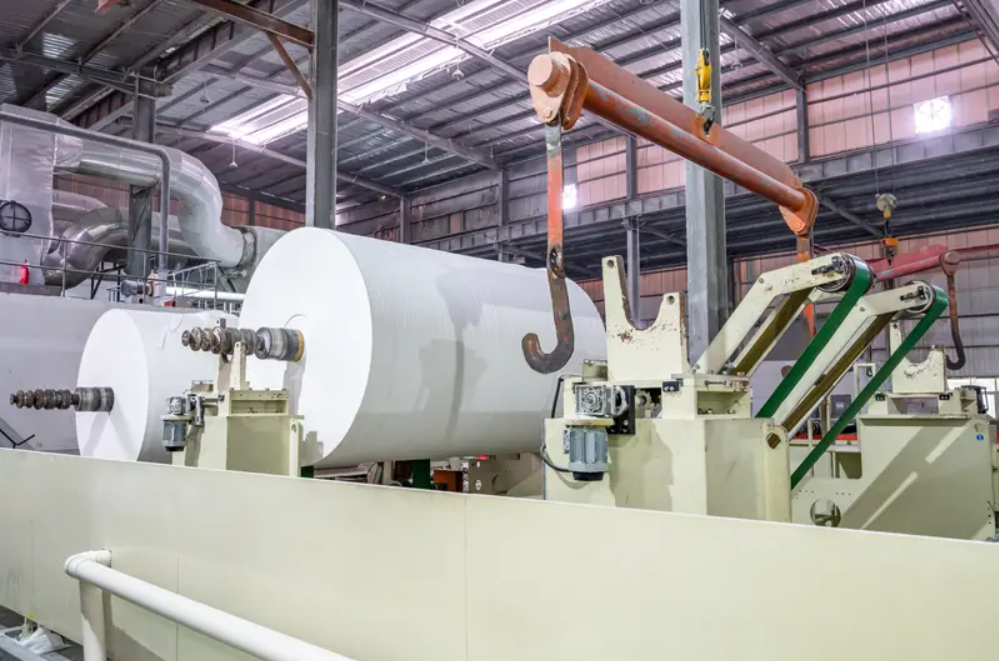
Parent rolls are large rolls of paper that serve as the starting point for various tissue products. These rolls are produced from raw materials, typically wood pulp, and are essential in the manufacturing process. They come in different sizes and weights, depending on the intended use.
In the context of facial tissue and toilet tissue, parent rolls are specifically designed to meet the unique requirements of each product. The quality of the parent roll directly impacts the softness, strength, and absorbency of the final tissue products.
Parent rolls play a vital role in tissue production for several reasons:
● Quality Control: Ensuring high-quality raw materials leads to better tissue products. Parent rolls made from virgin pulp offer superior softness and strength.
● Efficiency: Using large parent rolls reduces waste during the conversion process. This efficiency is crucial for manufacturers aiming to optimize production costs.
● Versatility: Parent rolls can be customized for different tissue types. This flexibility allows manufacturers to create various products from the same raw material.
The conversion of parent rolls into finished products involves several key steps:
1. Unwinding: The parent roll is unwound and fed into a converting machine. This process requires precise handling to prevent damage.
2. Cutting and Folding: The paper is cut into smaller sheets or rolls, depending on the product specifications. For facial tissue, sheets may be folded neatly, while toilet tissue is typically rolled.
3. Packaging: Once cut and folded, the tissue products are packaged for distribution. This step ensures they remain clean and protected until they reach consumers.
Here’s a simple flowchart illustrating the conversion process:
Parent Roll → Unwinding → Cutting/Folding → Packaging → Finished Product
This process highlights the transformation of raw materials into everyday essentials like facial tissue and toilet tissue. Each step is crucial in maintaining the quality and performance expected by consumers.
Facial tissue is primarily made from 100% virgin wood pulp, often sourced from eucalyptus or acacia trees. This choice of raw material ensures that the fibers are long, intact, and free from contaminants. The quality of these fibers contributes significantly to the softness and strength of the final product.
Interestingly, some brands are now incorporating bamboo pulp as an alternative. Bamboo offers a sustainable option while maintaining the desirable characteristics of facial tissue. Its rapid growth and minimal environmental impact make it an appealing choice for eco-conscious consumers.
Toilet tissue, on the other hand, typically combines virgin pulp with recycled pulp. This blend helps reduce production costs and environmental impact. However, the fibers in toilet tissue are generally shorter and may contain impurities from the recycling process. While this does not affect its primary function, it does influence the overall texture and strength compared to facial tissue.
Type | Raw Material Composition | Fiber Characteristics |
Facial Tissue | 100% virgin wood pulp | Long, intact, free of contaminants |
Toilet Tissue | Virgin pulp + recycled pulp | Shorter, may contain impurities |
When it comes to strength, wet strength is a crucial factor. Facial tissue is designed to maintain its integrity even when wet, making it suitable for various uses, such as wiping the face or cleaning up spills. In contrast, toilet tissue is made to disintegrate quickly in water, which is essential for its function in bathrooms. This difference in wet strength highlights the specific usability requirements for each type of tissue.
Softness is another area where these two products diverge. Facial tissue is crafted to be exceptionally soft, catering to consumer expectations for comfort against the skin. People often use it for sensitive tasks, such as blowing their noses or removing makeup. Toilet tissue, while still soft, prioritizes functionality over luxury. It needs to be comfortable but also durable enough for its intended use.
Absorbency rates vary significantly between facial tissue and toilet tissue. Facial tissue is engineered to absorb liquids efficiently, which is vital for tasks like wiping away tears or spills. Toilet tissue, however, focuses more on its ability to break down in water. This means it absorbs less liquid before disintegrating, which is a key feature for its use in toilets.
Facial tissue is held to stricter hygiene standards. Manufacturers must comply with rigorous bacteria count regulations and often meet food-grade standards. This ensures that the product is safe for close contact with the skin, which is particularly important for items used on the face.
Toilet tissue, while still subject to hygiene requirements, operates under basic standards. The regulatory framework for toilet tissue is less stringent, focusing primarily on safety rather than the high-level cleanliness required for facial tissue. This difference reflects the distinct uses and consumer expectations for each product.
In summary, the differences between facial tissue and toilet tissue extend beyond mere terminology. They encompass raw materials, performance characteristics, and hygiene standards, highlighting the specific needs each product fulfills in everyday life.
In the production of facial tissue, manufacturers employ advanced bleaching techniques such as ECF (Elemental Chlorine Free) and TCF (Totally Chlorine Free). These methods are crucial for ensuring that the final product is safe for use on the skin. The ECF process reduces the environmental impact while maintaining a high level of whiteness, whereas TCF goes a step further by eliminating chlorine entirely. This focus on safe bleaching practices significantly impacts skin sensitivity, making facial tissue suitable for delicate applications like wiping the face or caring for allergies.
Conversely, the bleaching processes for toilet tissue are typically more straightforward and cost-effective. Manufacturers often prioritize efficiency and cost control over the stringent safety measures found in facial tissue production. This means that while toilet tissue may still be safe for its intended use, the bleaching methods can introduce variations in quality and cleanliness. The focus here is on producing a functional product that meets basic hygiene standards without the additional costs associated with more advanced bleaching techniques.
The manufacturing processes for facial tissue and toilet tissue share some similarities but also have distinct differences. Both start with the conversion of large parent rolls into smaller products, but the specifics vary.
● Facial Tissue: The production involves unwinding the parent roll, followed by precise cutting and folding. The process allows for various customization options, such as different ply counts (the number of layers in a tissue) and embossing patterns that enhance texture and softness.
● Toilet Tissue: The manufacturing process is generally standardized to ensure efficiency. It involves rolling the paper into larger rolls that are then cut into smaller, consumer-friendly sizes. The focus here is on keeping production costs low while ensuring that the product is functional and meets basic standards.
Feature | Facial Tissue | Toilet Tissue |
Customization | Ply count, embossing options | Generally standardized |
Production Focus | Quality and consumer experience | Cost efficiency and basic functionality |
In both manufacturing processes, several challenges can arise. For facial tissue, maintaining fiber density is crucial to ensure softness and strength. Any variation can affect the final product's quality. Additionally, downtime during production can lead to increased costs and delays in delivery.
In toilet tissue production, while standardization helps streamline processes, it can also lead to limited flexibility in product offerings. Manufacturers must balance efficiency with the need to meet consumer demands for quality and performance. Addressing these issues is vital for ensuring that both facial tissue and toilet tissue meet the expectations of consumers.
When it comes to the production of facial tissue and toilet tissue, sustainability practices play a crucial role. Both industries are increasingly aware of their environmental impact and are adopting measures to reduce their carbon footprint. For facial tissue, manufacturers are focusing on using sustainable raw materials and implementing energy-efficient processes. This includes optimizing production lines to minimize waste and emissions. Similarly, toilet tissue producers are also making strides, often utilizing recycled materials and improving their manufacturing techniques to lessen environmental harm.
The sourcing of raw materials is a significant factor in the environmental impact of both types of tissue. Many companies are now prioritizing materials that are Forest Stewardship Council (FSC) certified. This certification ensures that the wood pulp used comes from responsibly managed forests that provide environmental, social, and economic benefits.
Type of Tissue | Raw Material Sourcing | FSC Certification | Recycled Content |
Facial Tissue | Primarily virgin wood pulp | Often FSC certified | Limited recycled content |
Toilet Tissue | Mix of virgin and recycled pulp | Increasingly FSC certified | Higher recycled content |
Facial tissue often relies on virgin pulp for its softness and strength, while toilet tissue tends to incorporate a higher percentage of recycled content. This difference highlights the contrasting priorities in their production processes.
The environmental impact of production processes varies significantly between facial tissue and toilet tissue. Facial tissue production can be resource-intensive, requiring substantial water and energy usage. The bleaching processes, while necessary for product quality, can also generate waste and emissions if not managed properly.
On the other hand, toilet tissue production, which often includes recycled materials, can mitigate some of these environmental concerns. However, it still faces challenges related to water usage and the energy needed for processing. Manufacturers are increasingly adopting cleaner technologies and practices to address these issues.
Eco-friendly certifications are vital in the tissue industry as they provide assurance to consumers about the sustainability of the products they purchase. Certifications such as FSC, Rainforest Alliance, and Green Seal indicate that products meet specific environmental standards. These labels not only help consumers make informed choices but also encourage manufacturers to adopt more sustainable practices.
Incorporating these certifications into marketing strategies can enhance brand reputation and appeal to environmentally conscious consumers. As awareness of environmental issues grows, the demand for certified products will likely increase, prompting further improvements in sustainability across the industry.

The market for facial tissue is evolving rapidly, reflecting changing consumer preferences. One significant trend is the increasing demand for eco-friendly and hypoallergenic options. Consumers are becoming more aware of the environmental impact of their choices, leading to a surge in products made from sustainable materials. Many brands are now offering facial tissues that are free from dyes and fragrances, catering to those with sensitive skin or allergies.
Innovation plays a key role in the facial tissue market. Companies are investing in research and development to create products that enhance user experience. For instance, some brands have introduced tissues infused with soothing ingredients, such as aloe or vitamin E, which provide added comfort during use. Additionally, packaging designs are becoming more user-friendly, with options like easy-to-dispense boxes and travel-friendly packs gaining popularity.
Innovation Type | Description | Consumer Benefit |
Soothing Ingredients | Tissues with aloe or vitamin E | Enhanced comfort for sensitive skin |
Eco-Friendly Packaging | Biodegradable or recyclable materials | Reduced environmental impact |
Travel-Friendly Designs | Compact and portable packaging options | Convenience for on-the-go users |
Another notable trend is the rise of premium products specifically designed for sensitive skin. These tissues often feature higher ply counts and softer textures, appealing to consumers seeking luxury and comfort. As awareness of skin sensitivities grows, brands are positioning these premium offerings as essential for everyday use, especially during cold and allergy seasons.
The toilet tissue market is also witnessing significant shifts in consumer preferences. A major trend is the shift towards sustainable and biodegradable products. Many consumers are looking for options that minimize their environmental footprint. Brands are responding by developing toilet paper made from recycled materials or sustainably sourced wood pulp. This aligns with the broader movement toward sustainability in everyday products.
When it comes to toilet tissue, softness and strength are paramount. Consumers often prioritize these qualities, seeking products that provide a comfortable experience without compromising durability. Manufacturers are focusing on creating multi-ply options that deliver both softness and strength, ensuring that their products meet the high expectations of consumers.
Consumer Preference | Importance |
Softness | Provides comfort during use |
Strength | Ensures durability and effectiveness |
Sustainability | Aligns with consumer values for eco-friendliness |
Brand reputation and certification are increasingly influencing consumer choices in the toilet tissue market. Products that carry eco-friendly certifications, such as FSC or biodegradable labels, are often preferred by consumers who want to support responsible companies. Positive brand reputation can significantly boost consumer trust, leading to increased loyalty and repeat purchases.
In summary, as the market for facial tissue and toilet tissue evolves, it reflects a growing awareness of environmental issues and changing consumer preferences. Brands that adapt to these trends are likely to thrive in a competitive landscape.
A: Facial tissue is primarily made from virgin wood pulp for softness, while toilet tissue often includes a mix of virgin and recycled materials.
A: Facial tissue is more expensive due to its higher quality materials, specialized production processes, and added features like hypoallergenic properties.
A: Facial tissue typically has lower absorbency than toilet tissue, which is designed to handle more moisture effectively.
A: Yes, some toilet tissues may contain chemicals or fragrances that can cause irritation or allergic reactions in sensitive individuals.
A: Consumers should consider factors like softness, strength, eco-friendliness, and any specific skin sensitivities they may have.
A: Environmental certifications, like FSC or biodegradable labels, assure consumers of sustainable practices and influence their purchasing decisions toward eco-friendly options.
Facial tissue and toilet tissue differ primarily in materials and purpose. Facial tissue is softer and often hypoallergenic, while toilet tissue focuses on strength and absorbency.
Understanding these differences helps consumers make informed choices based on their needs.
Consider your preferences and the environmental impact of your choices when selecting products. Choose wisely for a better experience and a healthier planet.


