
close
Choose Your Site
Global
Social Media
Views: 0 Author: Site Editor Publish Time: 2026-01-19 Origin: Site
Did you know that everyday tissue products can contribute to deforestation? As consumers demand more eco-friendly options, it’s essential to understand the impact of the materials used.
In this article, we will explore what makes virgin wood pulp tissue rolls eco-friendly. You’ll learn how sustainable sourcing, minimal chemical use, and responsible production methods help reduce the environmental footprint of these essential products.
Virgin wood pulp is a type of paper pulp made from fresh wood fibers, typically obtained from hardwood or softwood trees. This pulp is known for its purity and strength, offering high-quality tissue products with soft, smooth textures and excellent absorbency. Unlike recycled pulp, which is made from used paper, virgin wood pulp has not been processed before, which makes it suitable for premium products that require superior strength and softness.
The production of virgin wood pulp, while high in quality, does have an environmental impact. The raw materials used to create virgin wood pulp must be sustainably sourced, and the production process itself requires significant resources, including energy and water. However, advancements in technology and the implementation of eco-friendly practices have helped minimize these impacts.
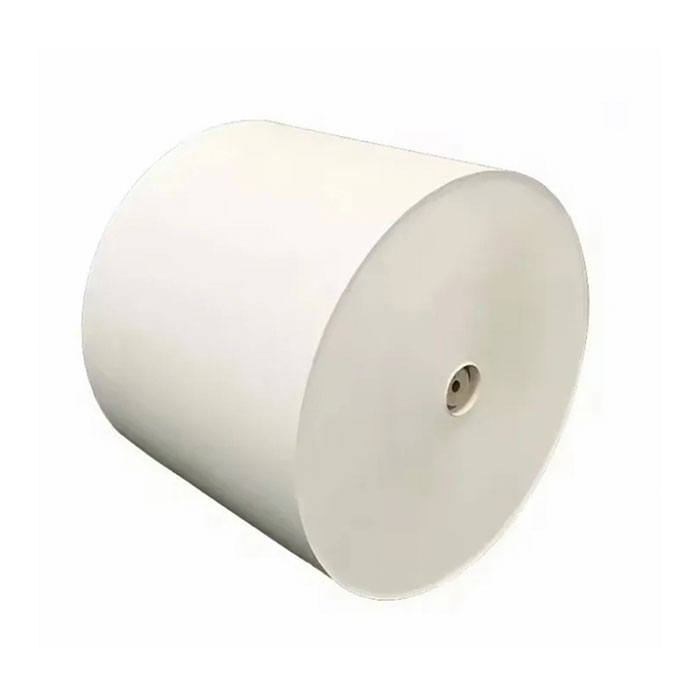
The primary distinction between virgin and recycled pulp is in their source. Virgin pulp comes from newly harvested wood, while recycled pulp is made from post-consumer or post-industrial waste paper. Virgin wood pulp provides a cleaner, stronger fiber, which results in higher quality products. However, the process of making virgin wood pulp often requires more raw materials, energy, and water compared to recycled pulp, which can have a higher carbon footprint if not properly processed.
Factor | Virgin Wood Pulp | Recycled Paper Pulp |
Raw Material Source | Sourced from freshly harvested wood | Made from used paper products |
Energy Usage | Requires substantial energy for pulping and processing | Uses energy to clean, bleach, and process recycled paper |
Chemical Usage | Fewer chemicals required for production | More chemicals used to remove inks and contaminants |
Fiber Quality | Longer, stronger fibers providing higher-quality tissue | Shorter fibers, which can reduce strength and quality |
Virgin wood pulp is typically preferred in tissue manufacturing due to its ability to produce products that are soft, durable, and highly absorbent. However, as sustainability becomes more important, companies are looking for ways to make the use of virgin wood pulp more eco-friendly.
Virgin wood pulp is critical in tissue manufacturing due to its superior quality, strength, and natural softness. These attributes are essential for producing premium tissue products, such as toilet paper and facial tissues. The production of virgin wood pulp involves several stages, including pulping, bleaching, and drying, which require significant amounts of water and energy.
However, many modern tissue manufacturers, such as Huaxin Global, have invested in technologies that reduce resource consumption. These include energy-efficient equipment, optimized pulp production methods, and improved waste-water recycling systems. By embracing such technologies, manufacturers can reduce their environmental footprint while maintaining the high quality of the products they produce.
One of the most critical factors in making virgin wood pulp tissue rolls eco-friendly is ensuring that the wood used in the production process is sustainably sourced. This means that the raw material comes from forests that are responsibly managed, ensuring that the trees are harvested in a way that does not deplete the ecosystem. Certification programs like the Forest Stewardship Council (FSC) play a vital role in ensuring that the wood pulp is sourced from environmentally sustainable forests.
FSC certification guarantees that the wood used to make virgin wood pulp tissue rolls is harvested responsibly, protecting biodiversity, preventing deforestation, and ensuring that the forest’s economic benefits are shared with local communities. Huaxin Global, for instance, only uses FSC-certified wood pulp, ensuring that every tissue roll is produced using raw materials that have been ethically and sustainably sourced.
The FSC certification ensures that forest management practices meet rigorous environmental and social standards. When companies like Huaxin Global use FSC-certified wood pulp, they contribute to the preservation of forests and help protect biodiversity. By supporting brands that prioritize FSC certification, consumers can play a role in promoting sustainable forestry practices.
Virgin wood pulp generally requires less chemical processing compared to recycled paper pulp. While recycled paper pulp needs to be de-inked, cleaned, and bleached, virgin wood pulp requires fewer chemicals during production. Many modern tissue paper manufacturers, including Huaxin Global, have adopted eco-friendly bleaching methods such as Elemental Chlorine-Free (ECF) bleaching, which is less harmful to the environment.
By reducing the amount of chemicals used in production, the overall environmental footprint is minimized. This approach results in tissue products that are free of harmful chemicals, making them safer for both consumers and the planet.
Traditional bleaching methods used chlorine-based chemicals, which could have harmful effects on both the environment and human health. However, the use of chlorine-free methods like oxygen-based and hydrogen peroxide bleaching has become more common, reducing the environmental impact significantly. By adopting these eco-friendly bleaching methods, Huaxin Global ensures that their tissue rolls meet high standards of whiteness without the use of toxic chemicals.
Another advantage of virgin wood pulp tissue rolls is their biodegradability. When these tissue rolls are disposed of, they break down naturally in landfills or compost, turning into organic matter that can enrich the soil. This makes them an environmentally responsible choice compared to synthetic alternatives, which can take hundreds of years to decompose.
Composting virgin wood pulp tissue rolls not only reduces landfill waste but also contributes to improving soil health by returning valuable nutrients. This makes them a great choice for consumers looking to minimize their environmental footprint while choosing high-quality products.
Virgin wood pulp is often regarded as an eco-friendly choice when it is sourced from responsibly managed forests. When compared to recycled alternatives, virgin pulp offers several advantages in terms of product quality, strength, and softness. However, the environmental impact of virgin wood pulp can vary significantly based on the sourcing practices and the production process.
Attribute | Virgin Wood Pulp | Recycled Paper Pulp |
Product Quality | Softer, stronger, and more durable | May be weaker, less soft, and less absorbent |
Energy Usage | Lower energy use due to modern processing techniques | Higher energy use due to recycling and cleaning processes |
Environmental Impact | Lower carbon footprint when sustainably sourced and produced | Higher carbon footprint due to additional processing steps |
Recycling paper products, although beneficial for reducing waste, presents some challenges. The fibers in recycled paper become shorter and weaker, which results in tissue products that are not as strong or durable as those made from virgin wood pulp. Furthermore, the recycling process involves energy-intensive steps, including cleaning, bleaching, and de-inking, which can increase the environmental impact. Despite these challenges, the recycling of paper is still a valuable practice for reducing waste and conserving resources.
Modern production techniques have significantly improved the energy efficiency of virgin wood pulp production. Advances in energy-saving technologies, such as the use of energy-efficient machinery and optimized processing methods, have reduced the energy required to produce virgin wood pulp. By adopting these technologies, companies like Huaxin Global are able to produce tissue products with a lower carbon footprint while maintaining the high-quality standards that consumers expect.
Production Process | Energy Consumption (kWh/ton) |
Virgin Wood Pulp | 1,000-1,500 |
Recycled Paper Pulp | 1,500-2,000 |
Water is a crucial resource in the production of virgin wood pulp. However, the tissue paper industry is one of the largest water users globally. Companies like Huaxin Global have adopted water recycling technologies to reduce the amount of water used during production. By recycling up to 98% of the water, they significantly minimize water wastage and reduce the strain on local water supplies.
Huaxin Global uses state-of-the-art water treatment and recycling systems that enable the company to reuse water in its production process. This approach not only conserves water but also reduces the environmental impact associated with water treatment.
The future of virgin wood pulp tissue production will involve continued innovation to reduce environmental impact. Companies are focusing on adopting circular economy models, where waste is reused or repurposed, and further improving energy and water efficiency in production. New technologies, such as bio-based chemicals for pulping and bleaching, are also being developed to make the production process more sustainable.
A circular economy approach involves reducing waste and reusing materials to create new products. In tissue production, this could mean repurposing waste materials from other industries or recycling more paper waste. By adopting this approach, tissue manufacturers can significantly reduce their environmental footprint.
Consumers can play an essential role in driving sustainability in the tissue paper industry. By choosing products made from responsibly sourced virgin wood pulp, consumers help encourage companies to adopt more eco-friendly practices. Supporting brands like Huaxin Global, which prioritize sustainable sourcing, minimal chemical use, and energy-efficient production, can contribute to a more sustainable future.
As consumer demand for eco-friendly products grows, companies will be incentivized to invest in more sustainable practices. By choosing brands that prioritize sustainability, consumers help promote responsible production methods and support the transition toward a more sustainable future.
Virgin wood pulp tissue rolls, when produced responsibly and with sustainable practices, offer a high-quality, eco-friendly solution for consumers. By supporting companies that prioritize sustainability, like Huaxin Global, individuals and businesses can enjoy premium tissue products while helping reduce the environmental impact of production. With advancements in technology and continued innovation, the tissue paper industry can move toward a greener future that benefits both the planet and its people.
A: Virgin wood pulp tissue rolls are made from freshly harvested wood fibers, not recycled materials. They are known for their superior strength, softness, and absorbency, making them ideal for high-quality tissue products like toilet paper and facial tissues.
A: Virgin wood pulp tissue rolls can be eco-friendly when sourced from responsibly managed forests, such as those certified by FSC. Sustainable sourcing, minimal chemical use, and biodegradable properties all contribute to their reduced environmental impact.
A: Virgin wood pulp tissue rolls are made by pulping freshly harvested wood fibers. These fibers are then processed, bleached with eco-friendly methods, and formed into tissue rolls, ensuring a soft and durable final product with minimal environmental harm.
A: Virgin wood pulp tissue rolls are typically stronger and softer than recycled alternatives. However, when produced sustainably, they can be as eco-friendly, especially if sourced from FSC-certified forests and using minimal chemicals.
A: Yes, virgin wood pulp tissue rolls are biodegradable and compostable. When disposed of properly, they decompose naturally, enriching the soil and reducing landfill waste.


