
close
Choose Your Site
Global
Social Media
Views: 0 Author: Site Editor Publish Time: 2025-11-10 Origin: Site
Facial tissues are essential for our daily routines, providing comfort and convenience. But have you ever wondered what makes a tissue truly exceptional? The answer lies in the parent rolls used in their production.
In this article, we will explore the significance of parent rolls in creating high-quality facial tissues. You’ll learn how to choose the best parent roll for your needs and discover the key characteristics that define superior facial tissues.
Facial tissue is a soft, disposable product designed for various everyday uses. It's commonly used for makeup removal, wiping sweat, or providing relief during allergy season. These tissues are an essential part of personal care, offering convenience and comfort.
● Makeup Removal: Many people use facial tissues to gently remove makeup, ensuring a clean face without irritation.
● Wiping Sweat: They are handy during workouts or hot days, helping to keep the skin dry and fresh.
● Allergy Relief: Facial tissues provide quick relief for sneezing and runny noses, especially during allergy season.
The quality of facial tissue matters significantly. High-quality tissues are softer, more absorbent, and less likely to cause irritation. This makes them preferable for sensitive skin, emphasizing the need for careful selection.
A parent roll is a large roll of paper used in the manufacturing of facial tissues. It's the starting point in the production process, where the raw materials are transformed into the final product we use daily.
Parent rolls are made from virgin wood pulp or recycled materials. They undergo several processes to ensure they meet the required standards for softness and absorbency.
Manufacturing Process Overview:
1. Pulping: Raw materials are broken down into fibers.
2. Sheet Formation: The fibers are pressed and dried to form sheets.
3. Rolling: These sheets are rolled into parent rolls for further processing.
4. Conversion: Parent rolls are then cut and packaged into individual facial tissue products.
Step | Description |
Pulping | Breaking down raw materials into fibers. |
Sheet Formation | Pressing and drying fibers to create sheets. |
Rolling | Rolling sheets into parent rolls. |
Conversion | Cutting and packaging for consumer use. |
The transformation from parent roll to finished product is crucial for achieving the desired quality in facial tissues. Each step in the process affects the final product's softness, strength, and absorbency, making the choice of parent roll vital for manufacturers.
By understanding both facial tissues and parent rolls, we can appreciate the intricate process behind these everyday essentials. The right materials and manufacturing techniques lead to superior products that enhance our daily lives.
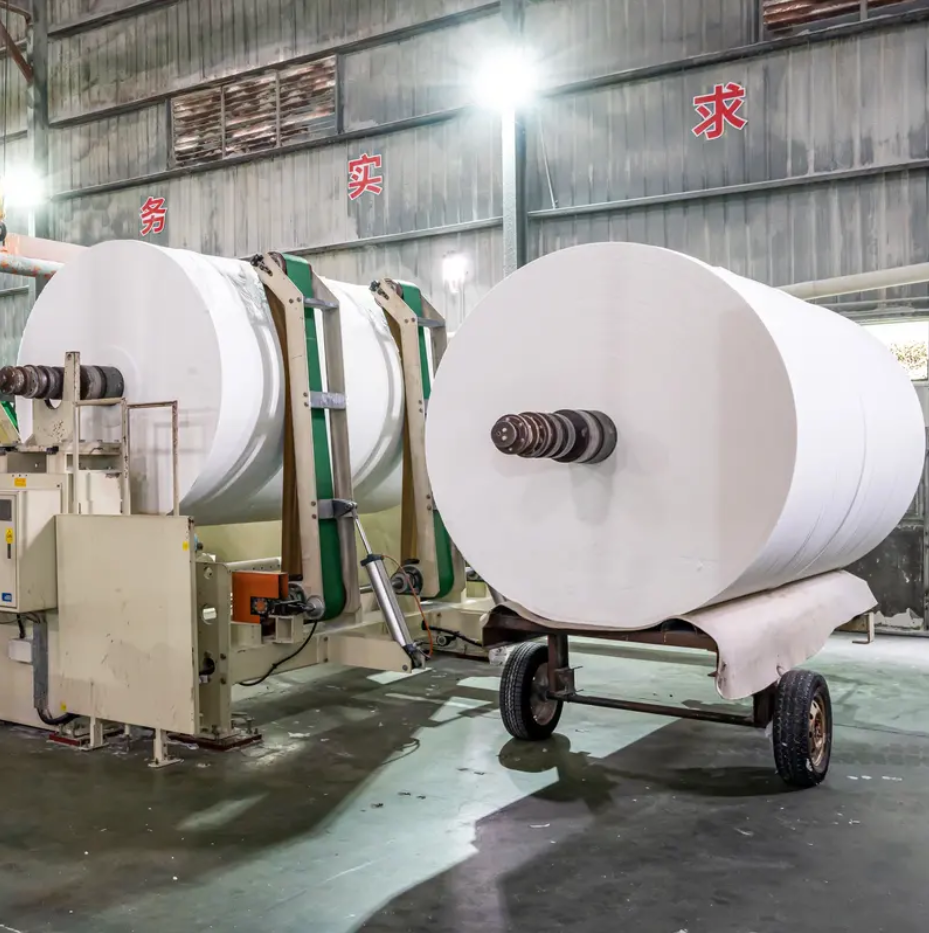
Choosing the right raw materials is crucial for producing high-quality facial tissues. Using 100% virgin wood pulp is essential for achieving the best results. Virgin pulp offers significant advantages over recycled pulp, particularly in softness and strength.
Feature | Virgin Wood Pulp | Recycled Pulp |
Softness | Superior | Generally rougher |
Strength | Higher | Lower |
Safety for Skin | Hypoallergenic | May contain irritants |
Virgin wood pulp is softer, making it ideal for sensitive skin. It also provides better strength, ensuring the tissue holds up during use without tearing.
When evaluating the best parent rolls, several performance metrics come into play, including softness, absorbency, and durability.
What does “skin-friendly” softness mean? It refers to the gentle touch of the tissue against the skin, which is critical for facial tissues. Testing methods, like the ASTM D5774 standard, help manufacturers measure softness accurately.
Absorbency is another key characteristic. High absorbency ensures that the tissue can handle moisture effectively. For example, the best facial tissues can absorb moisture 20% faster than standard materials, making them more efficient for users.
Durability is defined by wet tensile strength, which measures how much force a wet tissue can withstand before tearing. This characteristic greatly affects user experience; durable tissues prevent tearing during use, providing reliability when it’s needed most.
Sustainability is a growing concern in the tissue industry. It's essential to consider sustainable forestry certifications like FSC (Forest Stewardship Council) and PEFC (Programme for the Endorsement of Forest Certification).
The bleaching process also matters. Eco-friendly methods, such as ECF (Elemental Chlorine Free) and TCF (Totally Chlorine Free), are preferred. These processes reduce harmful chemicals in the environment, aligning with modern consumer values.
Compliance with international quality standards, such as ISO 9001 and ISO 14001, ensures that products are made with high-quality materials and processes. These standards reflect a commitment to both quality and environmental responsibility.
Flexibility in specifications is vital for manufacturers. The best parent rolls offer options for width and layer count, allowing customization to meet specific needs.
Customization features, like embossing and printing, enhance the product's appeal. Stability and uniformity of the rolls are crucial for efficient industrial processing. Low dust levels and consistent roll diameter contribute to manufacturing efficiency, ensuring a smooth production process.
By focusing on these key characteristics, manufacturers can select the best parent rolls for producing high-quality facial tissues that meet consumer expectations and environmental standards.
When it comes to facial tissues, the type of parent roll used can significantly impact the final product's quality and usability. Different applications require specific characteristics in parent rolls, catering to various consumer needs. Let's explore the main types of parent rolls designed for facial tissue products.
Portable facial tissue parent rolls are specifically designed for travel-sized tissues. These rolls typically feature smaller dimensions and lighter weight, making them perfect for on-the-go use.
● Size: Usually compact, often around 7 inches wide.
● Layer Count: Typically 1-2 layers for optimal portability.
● Packaging: Often sold in resealable packs to maintain freshness.
These rolls are ideal for cosmetics and travel products. They fit perfectly in handbags or carry-on luggage, providing convenience for makeup removal or quick clean-ups during travel. Many cosmetic brands incorporate these tissues into their product lines, enhancing the overall user experience.
Family-sized facial tissue parent rolls cater to household needs. These rolls are designed with larger dimensions and higher layer counts, ensuring they meet the demands of everyday family use.
Feature | Description |
Size | Generally 10-12 inches wide |
Layer Count | Typically 2-3 layers for durability |
Packaging | Often in bulk packs for convenience |
These rolls are popular for everyday family needs, such as wiping noses or cleaning up spills. Their larger size means fewer replacements, making them cost-effective for families.
Premium facial tissue parent rolls are crafted for luxury brands. These rolls focus on providing an exceptional user experience, often featuring higher quality materials and unique characteristics.
Premium rolls often have:
● Ultra-soft texture: Using the finest virgin wood pulp.
● Enhanced absorbency: Designed to provide superior moisture management.
● Elegant packaging: Aimed at upscale markets.
These products are targeted at a demographic seeking luxury and quality. They often appear in high-end retail environments, positioned as a lifestyle choice rather than just a necessity.
Sustainability is becoming increasingly important in the tissue industry. Eco-friendly parent rolls focus on using recycled fibers and other sustainable materials.
Recycled fiber options provide several benefits:
● Environmental Impact: Reduces waste and lowers carbon footprint.
● Cost-Efficiency: Often cheaper than virgin pulp alternatives.
There’s a noticeable trend toward sustainable products. Consumers are more aware of their choices, favoring brands that prioritize eco-friendly practices. However, balancing cost and sustainability remains a challenge for manufacturers.
Aspect | Cost Consideration | Sustainability Benefit |
Recycled Pulp | Generally lower cost | Reduces landfill waste |
Virgin Pulp | Higher cost due to sourcing | Superior quality and softness |
In conclusion, understanding the various types of parent rolls helps manufacturers tailor their products to meet the specific needs of different consumer segments. Whether for travel, family, luxury, or eco-conscious buyers, each type plays a vital role in the market for facial tissues.
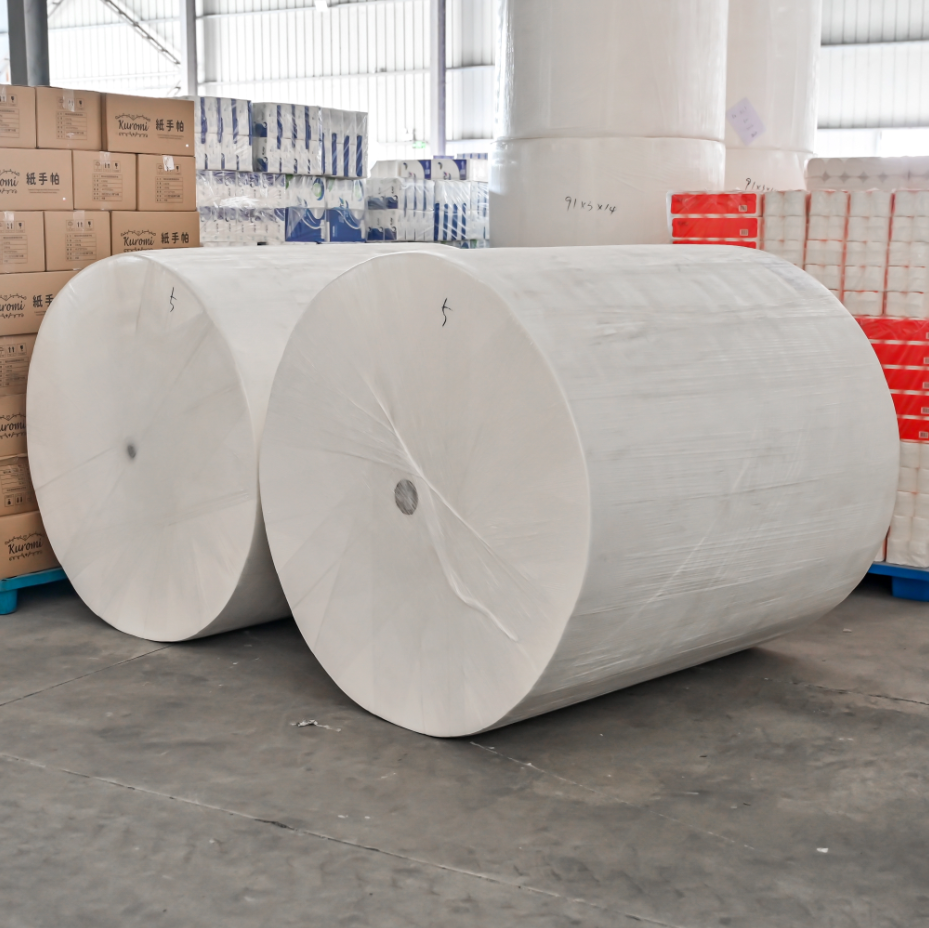
In the competitive world of facial tissue production, understanding the landscape of parent roll suppliers is crucial. Various suppliers offer unique advantages and differentiating factors that can influence manufacturers' choices. Let’s delve into what sets these suppliers apart in the market.
Many suppliers share some common strengths, making them attractive to manufacturers in the facial tissue industry.
One of the most significant advantages is their extensive experience, often exceeding 20 years. This longevity in the industry means they have refined their processes, built strong relationships, and developed a deep understanding of market demands.
Customization is another key strength. Many suppliers offer tailored solutions to meet specific customer needs. This includes adjusting specifications, sizes, and even packaging options. Quick delivery times are also a hallmark of reputable suppliers, ensuring manufacturers can maintain production schedules without delays.
Supply chain stability is vital. Suppliers sourcing materials from reliable regions like Southeast Asia and Southern China often have more consistent access to high-quality raw materials. This reliability helps manufacturers avoid disruptions, ensuring a steady supply of parent rolls.
While many suppliers share advantages, several factors can differentiate them in a crowded market.
The focus on raw materials and production processes varies significantly among suppliers. Some prioritize using 100% virgin wood pulp, while others may offer recycled options. This difference can affect the final product's quality and sustainability profile.
Specifications and service offerings can also differ. For example, some suppliers might provide a wider range of layer counts or sizes, catering to niche markets. Understanding these variations helps manufacturers choose the right supplier for their specific needs.
Supplier Type | Raw Material Focus | Customization Options | Delivery Time |
Established Supplier | Virgin Wood Pulp | High | 1-2 weeks |
Eco-Friendly Supplier | Recycled Materials | Moderate | 2-3 weeks |
Niche Supplier | Specialty Papers | Very High | 1 week |
Many suppliers offer additional services beyond just providing parent rolls. Technical support can be crucial, especially for manufacturers looking to optimize their production processes. Supply chain financing options are also becoming more common, allowing manufacturers to manage cash flow more effectively while ensuring they have the materials they need.
Finally, analyzing price points and value propositions across different suppliers reveals a diverse market. Some suppliers may offer lower prices but compromise on quality, while others position themselves as premium providers with higher price tags due to superior materials and services.
Supplier Category | Average Price per Roll | Value Proposition |
Budget Suppliers | $0.25 | Lower initial cost |
Mid-Tier Suppliers | $0.50 | Balanced quality |
Premium Suppliers | $0.75 | High quality & service |
This landscape illustrates the importance of aligning supplier choices with business goals. Manufacturers need to weigh their options carefully, considering factors such as cost, quality, and additional services to find the right partner in the competitive facial tissue market.
A: Virgin pulp offers longer fiber lengths, resulting in superior softness and strength. This enhances user experience and minimizes potential skin irritation compared to recycled pulp, which may have shorter fibers and less consistent quality.
A: The typical MOQ for standard parent rolls ranges from 1,000 to 5,000 units, while custom rolls may have higher MOQs. Suppliers often provide options for small batch testing to accommodate new product development.
A: Key tests for quality include evaluating softness, absorbency, and strength. Third-party certification reports are crucial for verifying quality standards. Manufacturers should conduct thorough assessments before making purchases.
A: Recent advancements in eco-friendly technologies ensure that sustainable products do not compromise quality. User experiences generally support this, highlighting that eco-friendly options can perform on par with traditional materials.
Choosing the best parent roll is crucial for producing high-quality facial tissues. It impacts softness, absorbency, and overall user experience.
Consider factors such as material, performance, and environmental impact when selecting a supplier.
Explore various options for purchasing or testing different parent rolls to find the right fit for your needs.


